Many people see a penicillin bottle but do not know why it is so important. A poor packaging choice can damage medicine and create safety risks.
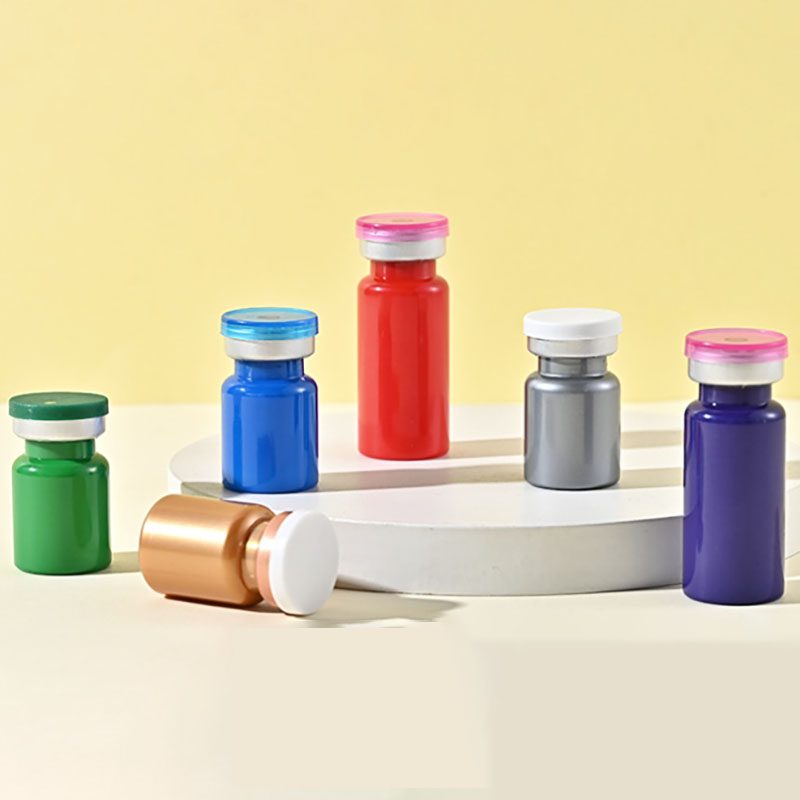
A penicillin bottle, also called a pharmaceutical vial, is mainly used to store injectable medicines, vaccines, antibiotics, freeze-dried drugs, and laboratory samples. It protects the product from contamination, moisture, and light while supporting safe transportation and accurate dosing.
When I first started working with pharmaceutical packaging, I thought every glass bottle looked almost the same. I soon learned that every detail matters. The right vial protects both the medicine and the patient. That is why I always spend time helping customers choose the right packaging instead of only comparing prices.
What Is a Penicillin Bottle?
Many buyers think a penicillin bottle is just a small glass bottle. That mistake can lead to poor product protection and higher costs.
A penicillin bottle is a pharmaceutical glass vial designed for injectable drugs and sterile products. It works with rubber stoppers and aluminum caps to create a secure seal that keeps medicines stable during storage and transportation.
Understanding the Structure of a Penicillin Bottle
When I speak with distributors, I often explain that a penicillin bottle is much more than a container. It is part of the complete drug delivery system. The vial, stopper, and cap work together. If one part fails, the whole package can fail.
Most penicillin bottles are made from borosilicate glass. This material has excellent chemical resistance. It also handles rapid temperature changes well. Some products use molded glass. Others use tubular glass for better dimensional accuracy.
Different medicines need different vial sizes. Some products need 2ml bottles. Others need 10ml, 20ml, or even larger sizes. The choice depends on the medicine, filling process, and customer requirements.
| Feature | Purpose | Benefit |
|---|---|---|
| Borosilicate glass | Chemical resistance | Protects drug stability |
| Rubber stopper | Airtight seal | Prevents contamination |
| Aluminum cap | Secure closure | Improves transportation safety |
| Multiple capacities | Flexible filling | Fits different drug volumes |
| Clear or amber glass | Light protection | Extends product shelf life |
From my experience, customers who choose high-quality packaging often reduce complaints and improve product reliability. That creates value for both distributors and pharmaceutical brands.
What Medicines Are Stored in Penicillin Bottles?
Many people only connect these bottles with penicillin. That idea is no longer true because modern pharmaceutical packaging serves many products.
Penicillin bottles are widely used for antibiotics, vaccines, injectable medicines, biologics, freeze-dried drugs, insulin, blood products, and laboratory reagents. They support sterile storage and help maintain drug quality throughout the supply chain.
Modern Pharmaceutical Applications
Over the past few years, I have seen pharmaceutical companies develop many new injectable medicines. Most of these products require packaging that protects sensitive ingredients from air, moisture, and bacteria.
Freeze-dried medicines are a good example. The medicine is dried inside the vial. Medical staff later add sterile water before injection. This process helps extend shelf life and improves transportation.
Vaccines also rely on high-quality pharmaceutical vials. During global vaccine distribution, billions of glass vials were produced. Every vial had to meet strict quality standards because even a tiny defect could affect product safety.
Laboratories also use penicillin bottles for testing chemicals and biological samples. The strong sealing system helps prevent leakage and contamination.
| Application | Packaging Requirement | Why It Matters |
|---|---|---|
| Antibiotics | Sterile sealing | Prevents contamination |
| Vaccines | Temperature stability | Protects sensitive ingredients |
| Lyophilized drugs | Moisture barrier | Maintains product quality |
| Insulin | Chemical compatibility | Preserves effectiveness |
| Laboratory reagents | Leak resistance | Ensures accurate testing |
I often tell customers that choosing the right vial is not simply buying packaging. It is protecting the value of everything inside the bottle.
Why Is Glass Still the Best Material for Penicillin Bottles?
Some buyers ask if plastic bottles can replace glass. Choosing the wrong material may reduce drug stability and create compliance problems.
Glass remains the preferred material because it offers excellent chemical resistance, low interaction with medicines, strong sterilization performance, and reliable long-term storage for injectable pharmaceutical products.
Why Pharmaceutical Companies Continue Choosing Glass
I have worked with many customers who compare plastic and glass packaging. Plastic works well for many cosmetic products. We also manufacture plastic packaging for many industries. Still, injectable medicines have much higher safety requirements.
Glass does not easily react with pharmaceutical ingredients. That helps keep drug formulations stable for a long time. Glass also tolerates high-temperature sterilization, which is essential for injectable medicines.
Amber glass gives another advantage. It blocks ultraviolet light that may damage light-sensitive drugs. Many vaccines and biological products depend on this protection.
Our team always discusses customer needs before recommending packaging. Some products need Type I borosilicate glass. Others may use Type II or Type III glass depending on regulations and formulation requirements.
| Material | Advantages | Typical Applications |
|---|---|---|
| Type I borosilicate glass | Highest chemical resistance | Vaccines, biologics |
| Type II glass | Improved chemical durability | Injectable medicines |
| Type III glass | Good cost-performance | Some pharmaceutical products |
| Amber glass | UV protection | Light-sensitive drugs |
| Clear glass | Easy product inspection | Standard injectable medicines |
I have learned that selecting packaging based only on price often creates higher costs later. Stable packaging protects product quality and brand reputation.
How Can the Right Packaging Supplier Improve Pharmaceutical Success?
Many buyers focus only on unit price. That choice can lead to delays, quality problems, and lost business opportunities.
A reliable pharmaceutical packaging supplier provides stable quality, customization, regulatory support, flexible production, and dependable delivery. These factors help distributors and pharmaceutical brands reduce risk while improving supply chain efficiency.
Why I Believe Long-Term Partnerships Create Better Results
At R.ONE S-TECH CO., LTD, I have seen how packaging affects every part of a customer’s business. Good packaging protects medicine. Good service protects the supply chain.
Many distributors ask for flexible minimum order quantities. Smaller brands need customized packaging without ordering huge volumes. We support these requests because many successful brands start small.
Our engineering team develops molds, custom printing, and surface treatments. We also provide export support for international customers. This helps distributors simplify purchasing while meeting local market needs.
Environmental responsibility is becoming more important every year. Many customers now ask about recyclable materials and sustainable packaging. We continue improving our production methods to support these goals.
| Customer Need | Our Solution | Customer Benefit |
|---|---|---|
| Small batch orders | Flexible production | Lower inventory risk |
| Brand identity | Logo printing and customization | Better market recognition |
| Stable delivery | Professional production planning | Reliable supply chain |
| Export support | International shipping experience | Easier global business |
| Sustainable packaging | Recyclable materials | Supports environmental goals |
When I work with new customers, I focus on building trust first. A packaging supplier should become part of the customer’s business, not simply another vendor.
Conclusion
A penicillin bottle does much more than hold medicine. The right pharmaceutical vial protects product quality, supports patient safety, and helps pharmaceutical brands build lasting trust.